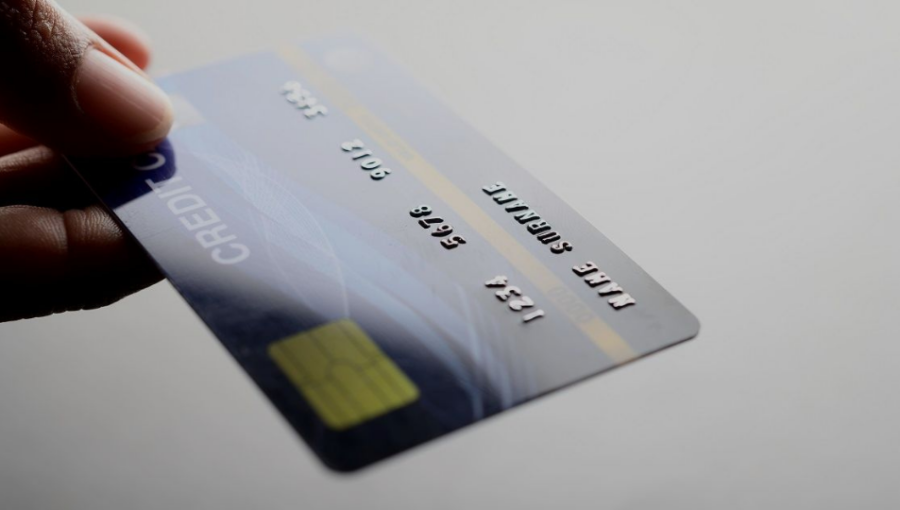

Applying for your first credit card is an exciting financial milestone. Used wisely, a credit card is a powerful tool to build credit, earn rewards, and secure financial flexibility. Used recklessly, it can lead to high-interest debt and damaged credit scores.
If you are ready to take control of your financial future, this complete guide covers everything you need to know before hitting “Apply.”
How Does a Credit Card Work?
A credit card is a revolving line of credit issued by a bank or financial institution. Unlike a debit card, which deducts money directly from your checking account, a credit card allows you to borrow funds up to a set limit (Credit Limit) to make purchases or pay bills.
At the end of each billing cycle (usually 28 to 31 days), your issuer sends a statement showing:
- Statement Balance: The total amount you spent during the cycle.
- Minimum Payment Due: The smallest amount you must pay to avoid late fees.
- Due Date: The deadline to pay your bill.
Key Rule: If you pay your full statement balance by the due date every month, you will not be charged any interest.
Key Terms You Must Know Before Applying
Understanding basic financial jargon will help you avoid unexpected charges:
- APR (Annual Percentage Rate): The annualized interest rate charged on unpaid balances carried over to the next month.
- Grace Period: The gap between the end of your billing cycle and your payment due date (typically 20–25 days) where no interest accrues on new purchases.
- Credit Utilization Ratio: The percentage of your total available credit that you are currently using. Keeping this below 30% is ideal for your credit score.
- Annual Fee: A yearly charge levied by the issuer for holding the card.
Types of Credit Cards for Beginners
Not all cards are created equal. Choose one that fits your current financial status:
| Card Type | Best For | Key Feature |
| Secured Credit Card | Absolute beginners / Poor credit | Requires a refundable cash deposit as your credit limit. |
| Student Credit Card | College students | Lower approval hurdles, no annual fees, modest rewards. |
| Cash Back Credit Card | General everyday spending | Earns a flat or tiered percentage back on purchases. |
4 Crucial Tips for First-Time Cardholders
1. Never Pay Just the Minimum
Paying only the minimum amount due keeps your account in good standing, but the remaining balance accrues interest—often between 18% and 30% APR. Always pay the full statement balance.
2. Treat It Like Cash
Only spend money on your credit card that you already have in your bank account. Avoid treating your credit limit as “extra income.”
3. Set Up Auto-Pay
Late payments severely damage your credit score and incur steep penalty fees. Set up automatic payments for the full balance each month to guarantee you never miss a deadline.
4. Keep Your Credit Utilization Low
If your card has a credit limit of $1,000, try not to carry a balance higher than $300 (30%) at any point during the billing cycle.
How to Choose and Apply for Your First Card
- Check Your Credit Score: Know where you stand before applying to avoid hard inquiries on rejected applications.
- Compare Card Options: Look for cards with no annual fees and simple rewards structures.
- Gather Required Documents: Prepare your ID, proof of income, and social security number/tax ID.
- Apply Online: Fill out the issuer’s online application for a quick decision.
Frequently Asked Questions (FAQs)
Does applying for a credit card hurt your credit score?
Submitting a formal application triggers a “hard inquiry,” which may temporarily lower your score by a few points. However, responsible usage will quickly rebuild and exceed your original score.
What happens if I don’t use my credit card?
Inactivity may lead the issuer to lower your credit limit or close the account due to dormancy. Try making one small recurring purchase (like a streaming subscription) and setting it to auto-pay.
Final Thoughts
A credit card is neither inherently good nor bad—it is simply a tool. By paying your full balance on time every month and keeping your balances low, you lay a solid foundation for a top-tier credit score, lower interest rates on future loans, and valuable rewards.